







Search Results for: consumer impressions
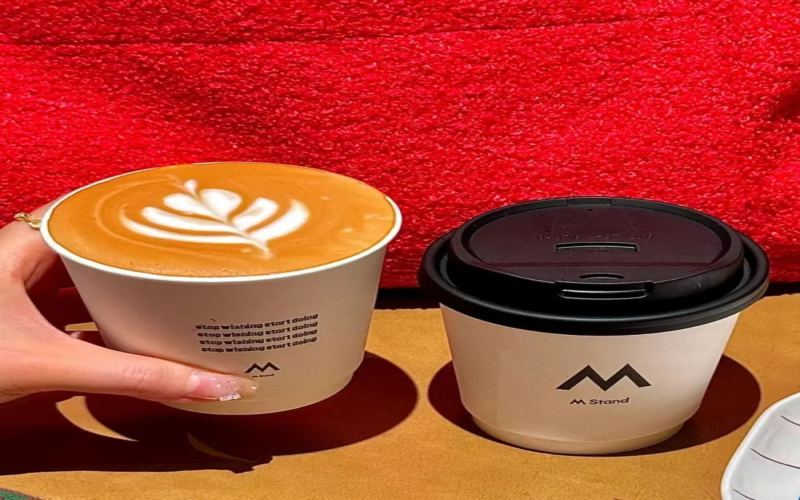
Mstand launches Beetroot Apple Americano and Latte for the New Year, sparking polarized consumer reactions to the fruit-and-veg coffee combo
At the start of 2025, Mstand continued its merchandise marketing strategy, launching a red teddy fleece tote bag to entice consumers to order their first coffee of the New Year, while also introducing two fruit-and-vegetable-concept drinks: Beet Apple Hot Americano and Beet Latte. The company claims the drinks have a balanced sweet-and-sour taste with beet fruit-and-vegetable flavors, but consumer reviews are sharply divided: some find the pairing of the apple's crisp sweetness and beet aroma with mellow coffee impressive, while more people bluntly say it tastes like cough syrup or fruit-flavored essence, with the beet's earthy note difficult to blend with coffee. In addition, loyal users expressed disappointment with the brand's new product development direction, believing its focus has shifted from specialty coffee to merchandise marketing. Front Street Coffee reminds that fruit-and-vegetable coffee innovation needs to balance flavor integration with mass acceptance. [more…]
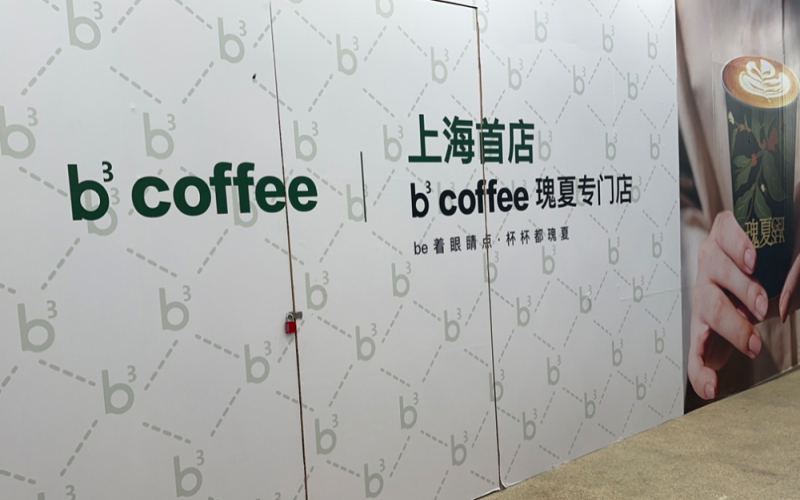
A new Shanghai shop named "b³ Coffee" sparks dialect controversy, mired in negative word-of-mouth before even opening
A yet-to-open Shanghai coffee shop has sparked heated discussion because its name, "b³ Coffee," sounds like "biesan" (a local slang term for a vagrant or good-for-nothing) in the local dialect. Netizens have been poking fun at it, and some say they won't patronize it because of the name. The brand marking itself as "必三咖啡" on a third-party platform has further escalated the controversy. Although the name brings traffic, it also leaves a negative first impression on consumers. This article reviews the whole incident, discusses the importance of businesses adapting to local customs, and includes related recommendations from Front Street Coffee. [more…]
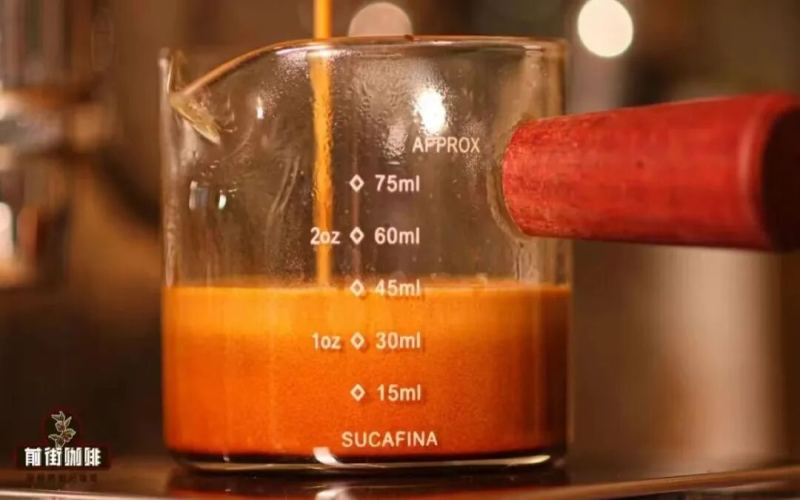
Single-Origin Espresso | Why Are SOE Coffee Beans So Popular? Which Is Better: SOE Coffee Beans or Blend Beans? What Should You Watch Out for When Buying SOE Coffee Beans?
In recent years, many coffee shops have introduced SOE coffee. Even quite a few friends who come to Front Street's store ask as soon as they walk in whether SOE is available here. So Front Street will briefly analyze why SOE has become popular. SOE (single origin espresso) means single-origin espresso. [more…]

From Visuals to Emotions: An In-Depth Interpretation of Coffee Packaging Design Trends and Creative Cases
In today's world, where consumer decisions increasingly rely on visual perception, packaging design has become a key touchpoint for brands to establish a first impression with customers. Excellent coffee packaging must not only possess strategic thinking but also integrate popular aesthetics, allowing the target audience to develop recognition and emotional resonance. This article examines representative coffee packaging cases from multiple dimensions, including character imagery, hand-drawn illustrations, gift coffee, can design, and takeaway paper bags and cups, exploring how different design approaches convey functional features and brand philosophy, and revealing current trends in coffee packaging. [more…]
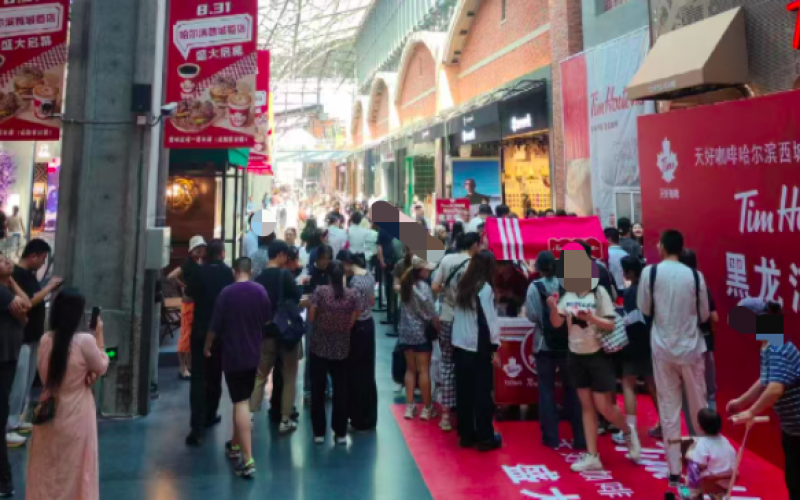
Tims' first store in Harbin opens with long queues causing chaos, organizational capability questioned by consumers
Canadian coffee brand Tims opened its first store in Harbin over the weekend. The brand had attracted a large number of consumers in advance through buy-one-get-one-free coupons and queue gifts, with the first 200 people to arrive able to receive different tiers of gifts such as coffee monthly cards and city mugs. However, on opening day the scene was chaotic, with some customers waiting several hours before getting their food and drinks, and the efficiency of order fulfillment and store management drew widespread complaints. Although the queue turnout reflected the brand's appeal, the lack of organizational capability also left many fans disappointed, affecting the impression of the brand's first store. [more…]
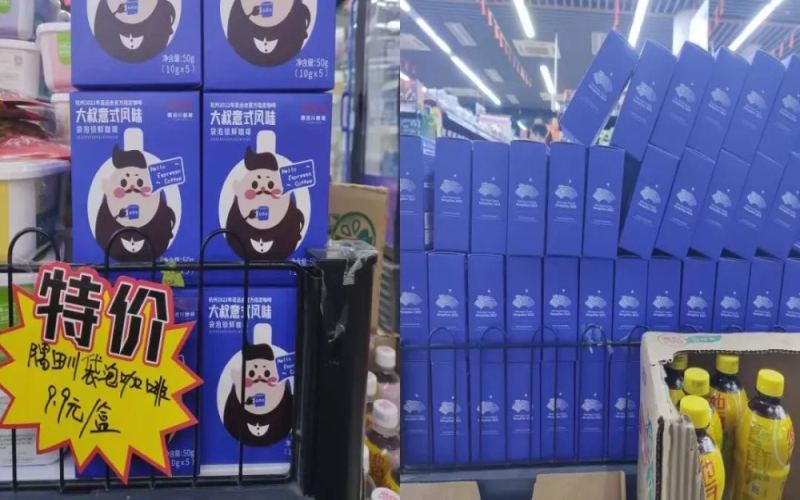
Sumida River Coffee's Executive Changes and Near-Expiry Product Controversy: Challenges on the Brand Expansion Path
Sumida River Coffee once used "fresh-lock" technology and Japanese manufacturing as selling points, achieving impressive results in the online market and setting a goal of exceeding 1 billion in offline revenue within three years. However, recently, issues such as the departure of its CMO and consumer complaints about near-expiry products have surfaced, exposing the brand's inventory and channel challenges amid rapid expansion. This article reviews Sumida River's development history, marketing strategies, and offline dilemmas, interspersed with Front Street brand recommendations, offering coffee enthusiasts an in-depth observation. [more…]
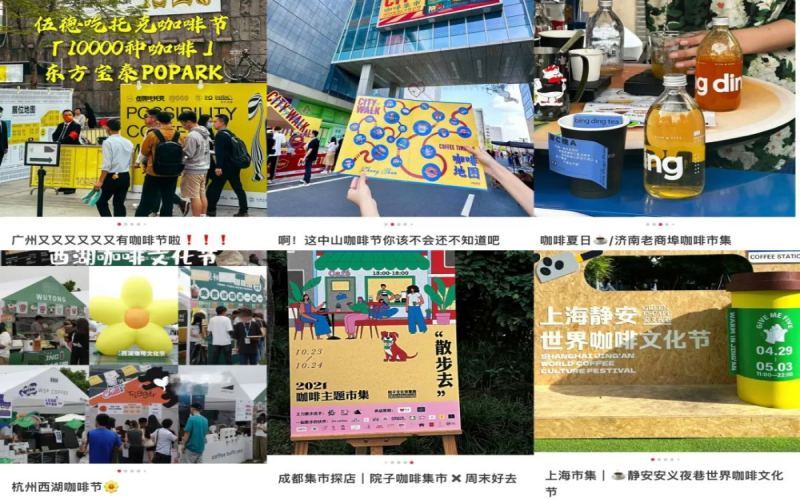
Coffee market specialty drinks average 40 yuan, sparking debate as consumers question the premium and the experience
In recent years, coffee festivals and markets have sprung up everywhere, attracting large crowds of enthusiasts and photo-taking visitors. However, some netizens have pointed out that a small cup of specialty drink averaging 40 yuan, with long queues, noisy environments, and sometimes even an entrance fee, offers far worse value for money than chain brands. Similar complaints keep appearing on social platforms, arguing that coffee markets are gradually becoming milk tea-like or bar-like, with very few stalls truly focused on basic coffee and cultural exchange. Even so, markets continue to be held one after another, and consumers seem to have become leeks that can never be fully harvested. Of course, some brands do put care and quality ingredients into their specialty drinks, but the overall impression is still hard to change. For industry practitioners and coffee lovers alike, how to balance commerce and experience has become a question worth pondering. [more…]
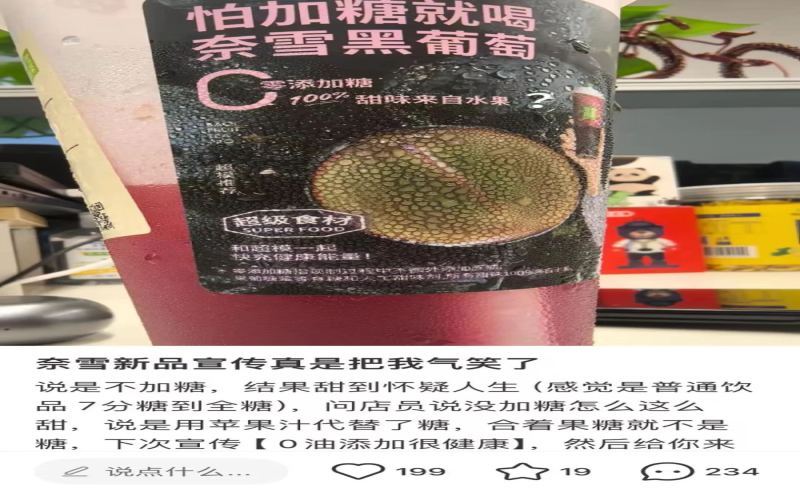
Nayuki's new drink claims no added sugar yet is explosively sweet—the truth behind healthy marketing of juice-based sugar substitutes
Recently, Nayuki launched "Unsweetened · Nayuki Black Grape," promoted as having 0 added sugar with all sweetness coming from fruit, yet it drew complaints from consumers for being too sweet. The brand replaced sucrose with apple juice, but concentrated apple juice can have a sugar content exceeding 50, meaning the actual sugar content of the entire drink is not low. This approach is similar to the strategy some brands use of hiding additives in ingredients, maintaining sweetness while preserving the "healthy" selling point. Consumers' impression of juice as naturally burden-free is being exploited, while the risk of blood sugar spikes remains. This article sorts out the ins and outs of the incident and includes related product information from Front Street Coffee, exploring the trade-off tea beverage brands face between taste and health. [more…]
Will adding sugar or syrup to coffee be looked down upon? Can syrup coffee be classified as specialty coffee?
Many people assume that specialty coffee should be drunk black, and that adding sugar or syrup somehow "cheapens" it. But is that really true? Starting from an observation during a Chinese New Year trip back home, this article interviews consumers and industry professionals to talk about the matter of adding sugar and syrup to coffee. You'll find that a moderate amount of syrup not only balances the flavor but may also encourage more people to try specialty coffee. At the same time, brands like Front Street Coffee have also been exploring ways to make good coffee more widely accepted. So does syrup coffee count as specialty coffee? The answer may be more open-minded than you think. [more…]
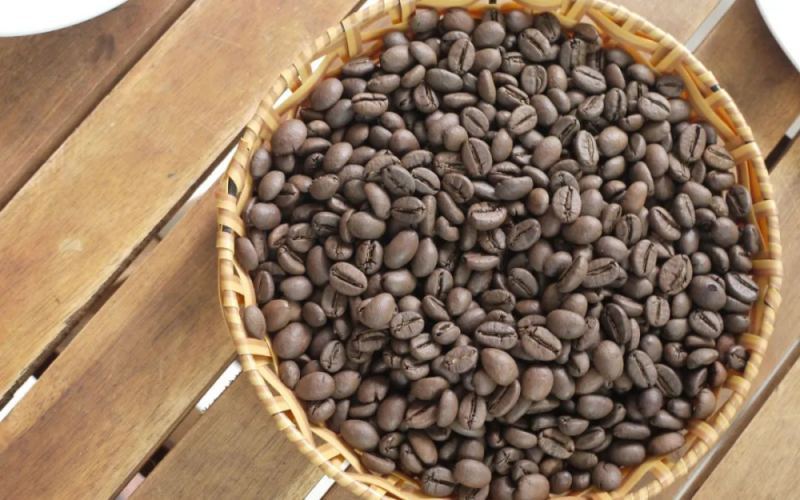
The Specialty Coffee World Reexamines Robusta: Can High-Altitude Cultivation and Anaerobic Processing Rewrite Entrenched Impressions?
For a long time, Robusta coffee beans have been largely neglected in the specialty coffee world, often associated with low altitudes, extensive farming, and bitter flavors. However, over the past two years, this situation has been quietly changing. From a World Barista Championship competitor using high-altitude Vietnamese Robusta blended with Geisha to place fourth, to more and more specialty coffee shops incorporating it into espresso blends or even launching single-origin anaerobic natural products, Robusta is returning to the industry's spotlight with a brand-new image. Climate change poses severe challenges to Arabica cultivation, while Robusta, with its strong environmental adaptability—combined with producers cultivating and processing it to specialty Arabica standards—reveals surprising flavor layers such as barley tea, nuts, caramel, and even fermented fruit notes on a base of high body and low acidity. This article will explore in depth the reasons behind this trend, the details of processing methods, and whether Robusta can truly shed its old label and win renewed recognition from coffee enthusiasts. [more…]
Guming’s release of a gaiwan-shaped takeaway cup sparked heated debate, with its brown lid and white straw said to resemble a toilet plunger.
Tea beverage brand Gu Ming recently launched a regional limited-edition new product, "Freshly Stewed Two Pears," made by stewing six ingredients including white fungus, fragrant pears, and red dates, with a focus on the concept of health and wellness, attracting many consumers to try it. However, what drew more attention than the drink itself was the gaiwan-style takeaway cup paired with the new product. Some customers posted on social media, pointing out that after the brown cup lid was inserted with a white straw, the overall appearance closely resembled a toilet plunger, triggering a large amount of onlookers and ridicule. Some netizens believed that the unreasonable color scheme and design were the main cause of the negative association, while others said that brands such as Nayuki had used similar cup shapes before without producing this impression. In addition, some consumers reported that they were unaware of the straw opening design on the cup lid, which caused inconvenience in use. Around this controversy, this article compiles feedback and discussion from various parties. [more…]
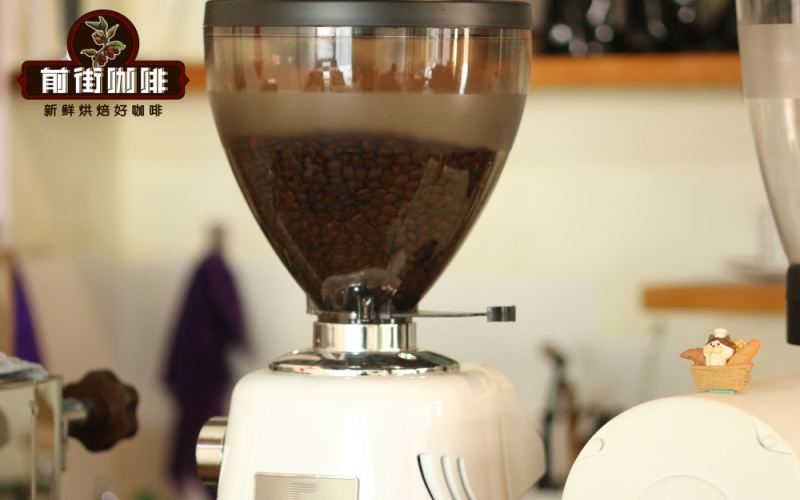
SOE Single-Origin Espresso Full Analysis: From Reasons for Its Popularity to Home Brewing Parameters and Buying Tips
In recent years, SOE coffee has been appearing frequently in major coffee shops, and many people's first question upon entering is whether they have SOE. What kind of coffee is it exactly? What are the essential differences between it and traditional espresso blends? Why do SOE lattes and SOE iced Americanos taste sour? From the perspective of Front Street Coffee, this article sorts out the origins and popularity logic of SOE, analyzes the reasons behind the stereotypes of espresso coffee, and provides the extraction parameters and hot latte preparation methods for Front Street's two SOE bean versions. Finally, it reminds readers of the importance of roasting curves and freshness when purchasing SOE beans, helping coffee enthusiasts make a delicious cup of SOE Americano or latte at home. [more…]
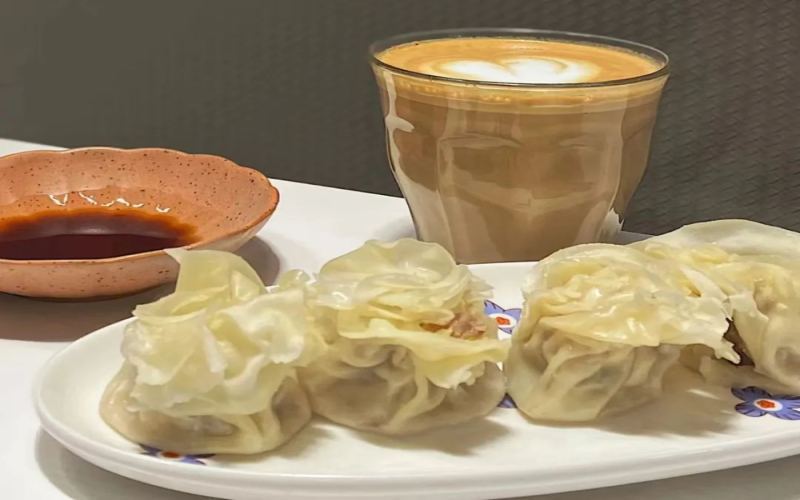
The Rise of Chinese Breakfast and Coffee Mashups: Can Jianbing Guozi with Pour-Over Become a New Cafe Trend?
Coffee is becoming increasingly popular in China, and its drinking occasions and pairing methods are being redefined. From shaomai paired with Ethiopian pour-over to rice noodle roll shops selling coffee, and coffee shops in Shanghai, Hangzhou, Chengdu, Guangzhou and other places launching jianbing guozi, the combination of Chinese breakfast and coffee has sparked queues for photo opportunities and heated discussion. Some see it as everyday life, while others question whether it is just attention-seeking and overpriced, but it is undeniable that this attempt to break fixed impressions is making coffee more accessible to ordinary people. This article will sort out the consumer psychology, dietary changes and market logic behind this phenomenon, and explore whether it will become a new trend for coffee shops. [more…]
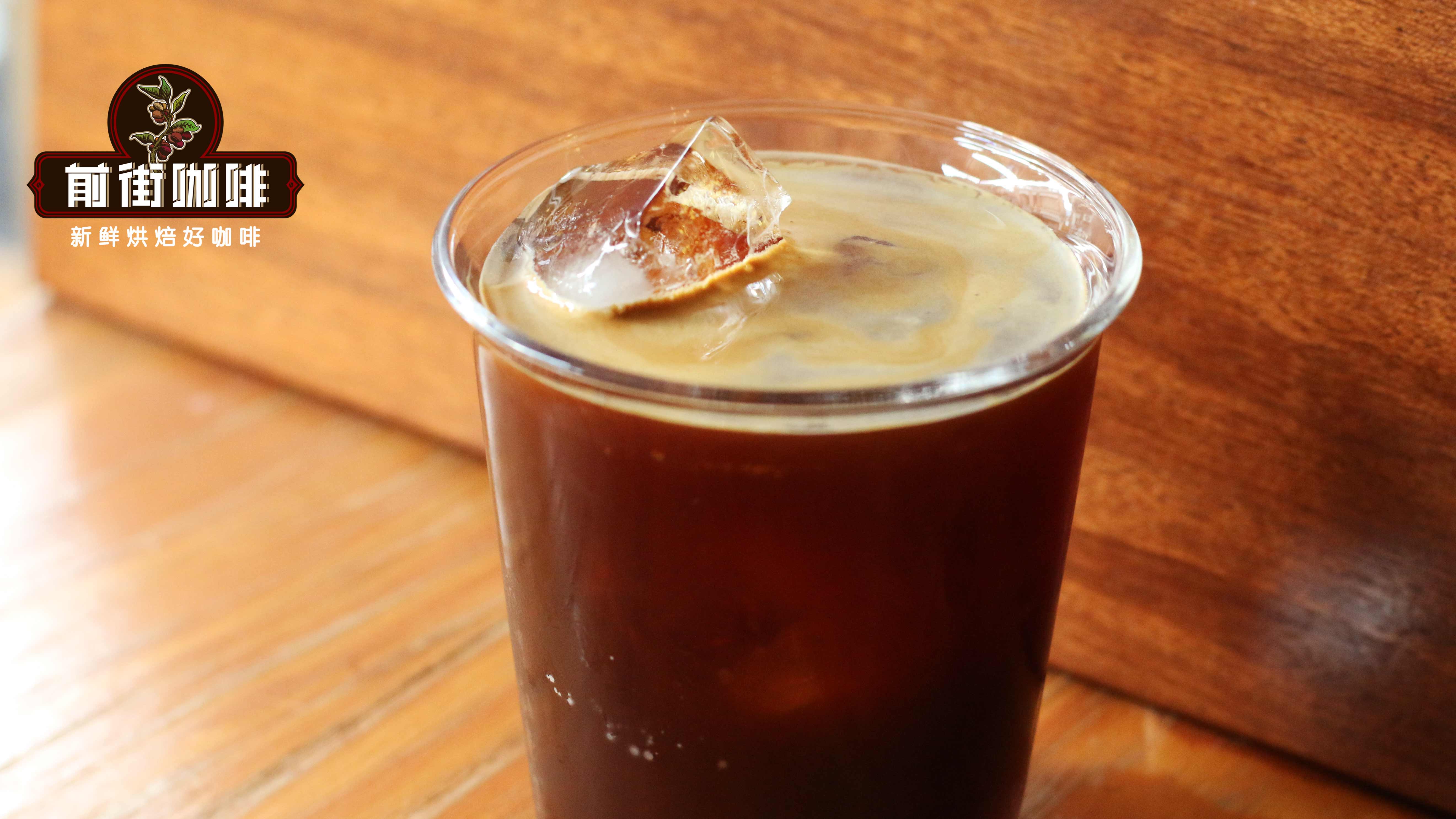
How Is SOE Coffee Different from Single-Origin Beans? An Analysis of Espresso Bean Selection Logic and the Reasons for the Price Premium
When ordering an Americano or latte at a coffee shop, you will often be asked by the staff whether you want to swap in SOE coffee beans for an extra few yuan. What exactly is SOE? How does it relate to single-origin beans and blend beans? This article starts from the definition of SOE, traces its historical roots with blended coffee, explains why SOE is often regarded as the more premium choice, and unpacks the cost logic behind its surcharge. It will also introduce the characteristics of Front Street Coffee's classic espresso blend, helping enthusiasts understand that SOE and blends are not absolutely superior or inferior to each other—the difference lies only in the purpose of use and the pursuit of flavor. [more…]
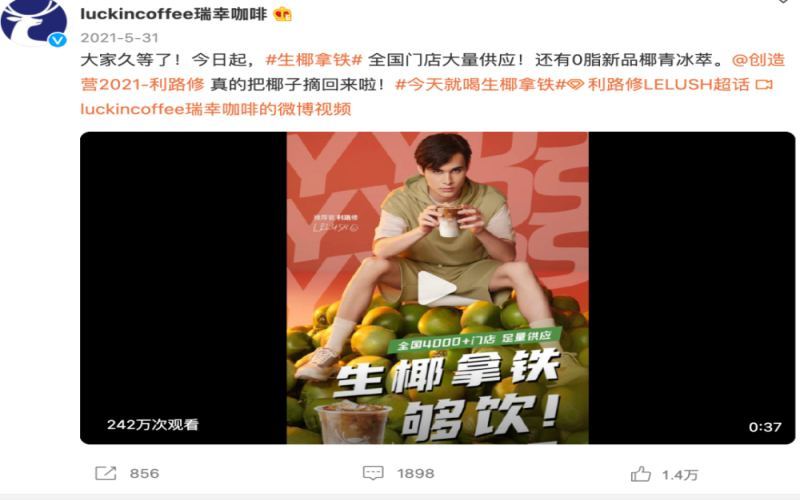
Luckin's Coconut Ice Brew Returns to Controversy: Unbalanced Sweetness, EDG Cup Sleeves Hard to Find—Front Street Coffee Teaches You How to Make Healthy Coconut Coffee
Luckin Coffee has recently relaunched its previously short-lived zero-fat coconut water iced coffee, teaming up with EDG for a limited-edition collaboration. Yet after the product's return, consumer feedback has been sharply divided: many complain that it is too sweet and that the coffee flavor is masked, with some store managers even personally warning against bad reviews; meanwhile, customers drawn by the EDG cup sleeves found that many cities simply didn't have them available. This article retraces how the events unfolded, analyzes why coconut water coffee has become so popular, and examines the health truth behind "zero fat, zero sugar." Finally, Front Street Coffee will also share how to make a low-calorie yet delicious cup of coconut water coffee at home. [more…]
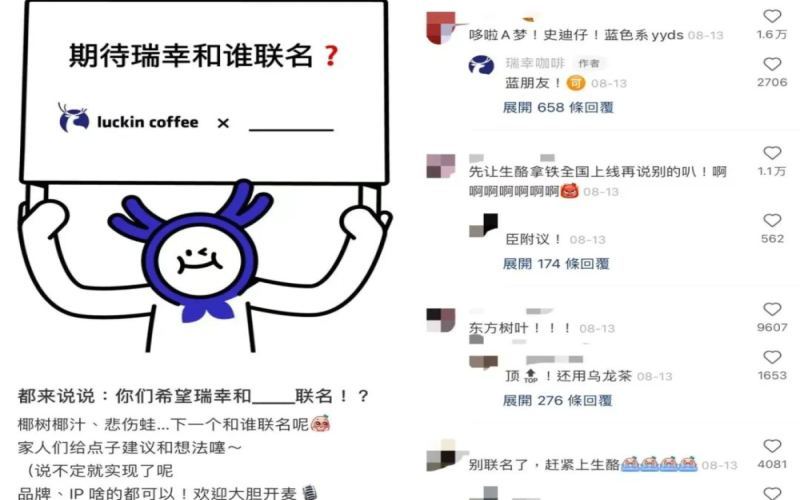
Luckin partners with JoJo's Stone Ocean to launch a collaborative new product, a look back at recent cross-industry collaborations by coffee and tea beverage brands.
Luckin Coffee officially announced on September 23 a collaboration with *JoJo's Bizarre Adventure: Stone Ocean* for October, launching themed events across its nationwide stores. This is not Luckin's first crossover; previous partnerships with Coconut Palm and EDG both sparked heated discussion. Looking across the coffee and tea beverage sector, Manner's collaborations with Helena Rubinstein and LV, Heytea's tie-in with *A Dream of Splendor*, and Nayuki's partnership with *Love Between Fairy and Devil*—brand co-branding has become an important strategy for breaking fixed impressions and achieving customer base complementarity. This article reviews several recent typical cases and includes Front Street Coffee's professional communication channels for coffee enthusiasts to gain deeper insight into industry trends. [more…]
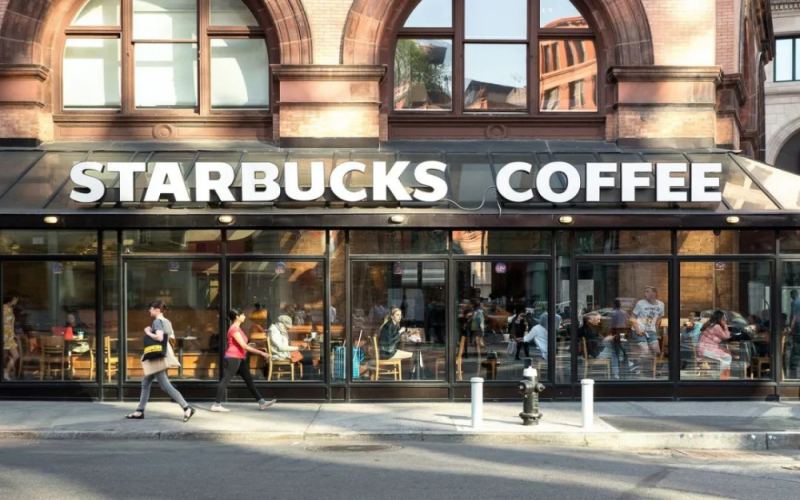
Starbucks in the Vegetable Market: Can Traditional Markets Become a New Scene for Coffee Consumption?
In recent years, Starbucks has continued to adjust its store layout strategy, gradually extending from core commercial districts to surrounding communities, and even setting its sights on traditional wet markets. A newly opened wet market in Minhang District, Shanghai, has brought in a Starbucks, and a Starbucks store has also appeared in a long-established comprehensive wholesale market in Seoul, South Korea. The heavy foot traffic, relatively low rents, and considerable repeat-purchase potential of wet markets have prompted coffee brands to re-examine the commercial value of traditional bazaars. This article focuses on the phenomenon of Starbucks choosing wet market locations, analyzing the logic behind this strategy, the feasibility of selling coffee in wet markets, and the significance of affordable pricing for the expansion of the coffee market. [more…]

The Frappuccino Dumpling sales season is here again, and Starbucks staff are pulling out all the stops with creative sales pitches.
Every year when Frappuccino粽子 hit the market, Starbucks stores enter a tough battle. Although the flavors have been improved this year, consumers' old impressions of the little zongzi still linger, and the pressure on frontline employees doubles. To meet sales targets, partners resort to all sorts of tricks—from buy-a-bag-get-a-zongzi-free, hand-drawn customizations, to exaggerated copywriting, and even paying out of their own pockets to subsidize. Meanwhile, scalpers have also set their sights on redemption vouchers, buying low and selling high, and the brand recently appears to be cracking down on violations. This article takes you through the panorama of sales surrounding Frappuccino zongzi. [more…]
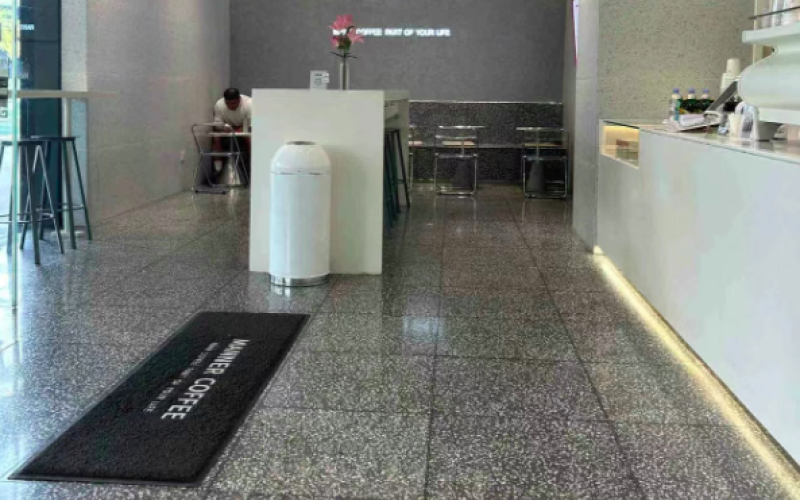
Manner store hygiene sparks discussion: White tables and chairs show obvious signs of wear, sole-staffing model questioned by consumers
Manner Coffee, known for its minimalist white design, has recently sparked consumer discussion due to store hygiene conditions. Some customers have reported that tables and chairs in certain stores show obvious signs of wear, with leftover trash from previous customers on tabletops, while the single-staff model leaves employees no time to attend to front-of-house cleaning. Is this phenomenon an isolated issue or a widespread problem? Does the white decor style amplify the visual impact of stains? How should consumers balance the pursuit of efficient service with a pleasant dining environment? This article reviews perspectives from multiple parties to explore the operational challenges chain coffee brands face amid rapid expansion. [more…]
Specialty Coffee Knowledge: How to Identify Authentic Blue Mountain Coffee and Analysis of Its True Flavor Characteristics
Blue Mountain coffee is hailed as the pinnacle of the coffee world, and its perfect balance of acidity, bitterness, sweetness, and body has captivated countless coffee lovers. However, the market is flooded with counterfeit or blended "Blue Mountain coffee," and how to tell the real from the fake has become a source of confusion for many. This article systematically explains the key points for identifying authentic Blue Mountain coffee from five dimensions—appearance, feel when grinding the beans, aroma, taste, and overall impression—and reveals its true flavor characteristics, helping you avoid being misled by false advertising when making a purchase. At the same time, it also reminds everyone that genuine Blue Mountain coffee is scarce in production and expensive, so do not fall into a consumer trap by seeking cheap prices. [more…]